If you are tempted by the most precise in terms of image, do not go further, we have chosen for you the best 8K TVs on the market from Samsung, Sony or LG.
Table of Contents
The best 8K TVs in 2021
8K TVs are starting to hit the market and, surprisingly, some of them are even almost purchasable by ordinary people. So let’s be honest: relevant content is nonexistent and native sources extremely rare. This, however, did not stop several manufacturers from embarking on the adventure with surprisingly good results thanks to the power of modern scaling motors.
Don’t expect miracles though, Full HD videos will always lack detail and native 8K content won’t be around for years to come. Investing today means above all ensuring that you will not have to change your television set for many years to come.
We have therefore compared the best 8K TVs on the market for you. Few models are available, this selection is limited for the moment, but we will expand it when new models come into our hands. In the meantime, if the choice seems too limited, you can always read our review of the best 4K TVs.
Samsung QE65QN800A (QLED 2021)
Last year, Samsung surprised its world with incredibly affordable 8K TVs priced at the level of a quality OLED screen. The Korean is therefore retrying the experience this year by switching to the Neo QLED. Beyond this improved panel, we welcome the return of the One Connect box which transfers all the connections to a more accessible external box.
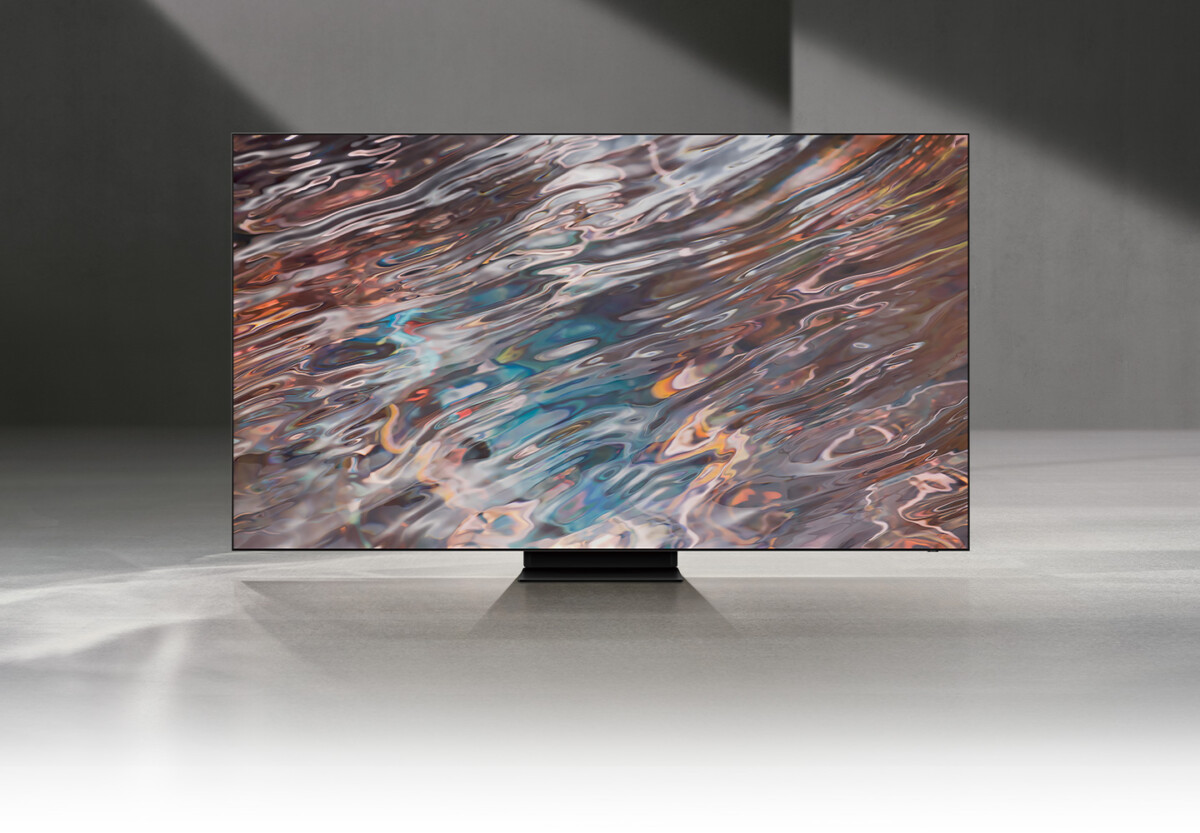

The switch to mini LED means that the backlighting zones multiply: 1300 on this model. The result is bluffing, with a very high contrast which approaches more and more the OLED while ridiculing the latter from the point of view of brightness. The light peak, however, is around 1200 cd / m2. As with the 4K model, the blooming is however sometimes noticed, in particular on the subtitles. Samsung has also made an effort on the calibration. Without reaching the perfection of Sony, it is now quite acceptable from the opening of the box.
The scaling is good, even if, as with all TVs of this type, we will favor 4K sources above all. We must salute the care taken in the video games part, with not only perfect support for HDMI 2.1 for next gen consoles, but also G-Sync and Freesync for PC players.
Its price is almost reasonable in view of its direct competitors, however, it remains to be seen whether it will experience the same impressive price reductions as last year’s model.
Sony XR-75Z9J
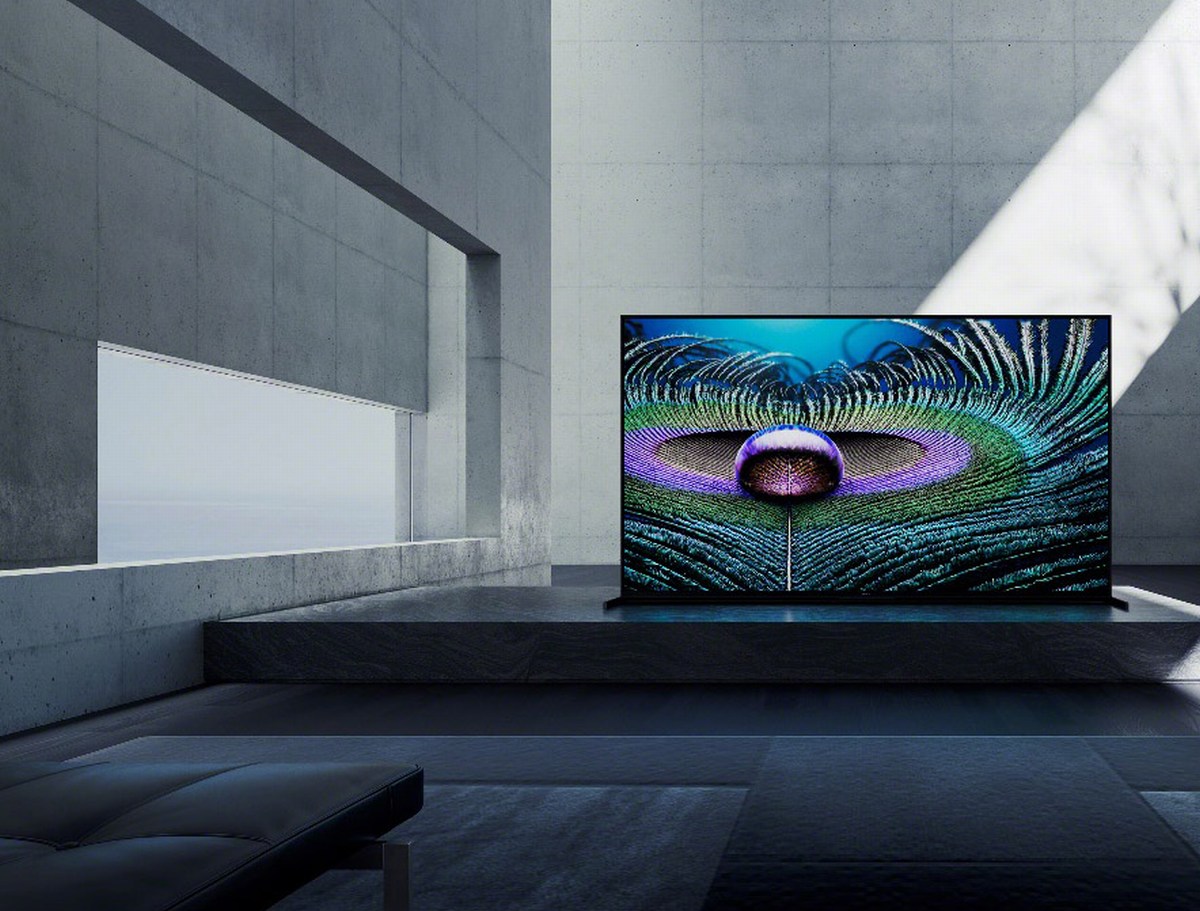
Sony was among the first to draw the 8K two years ago and continues its momentum with this 75-inch and nearly 46 kg juggernaut! Suffice to say that you will have to be sure of yourself if you want to install it on the wall. The feet are however well thought out, with an adjustable width to accommodate or not a sound bar.

Sony XR-75Z9J
LCD panel requires, we are entitled to a very high brightness. We thus measured 2140 cd / m2, which is three times more than the best OLED panels. On the other hand, the contrast is logically much lower and we sometimes notice some blooming. Nothing to say about the colors, the screen is perfectly calibrated, with a Delta E of only 1! Suffice to say that your eye will not see the difference with reality.
The scaling engine generally does a good job, but struggles with non-4K content, often with an image that’s too smooth. The content is also missing since we are not even entitled to YouTube 8K despite the presence of Google TV.
On the game side, we appreciate the presence of HDMI 2.1 andinput lag content, but we regret the non-support of VRR. Sony promises an update, but given the price is entitled to expect a complete product. Among the pleasant details, we also note the presence of a backlit remote control, a function all too often ignored.
Sony delivers an exceptional television here, bluffing with quality content, but struggling for Full HD. There is also a prohibitive price, of nearly 6000 euros! We tell you more in our review of the Sony XR-75Z9J.
LG OLED77Z1
LG offers some of the best 4K displays on the market with its C1 and G1 line. The brand could not miss the 8K train and therefore offers its own 8K screens using OLED technology. We therefore find the main advantages of these panels, namely an infinite contrast, very wide viewing angles and perfectly calibrated colors. On the other hand, no miracle: the brightness is much lower than what its competitors from Samsung and Sony offer.
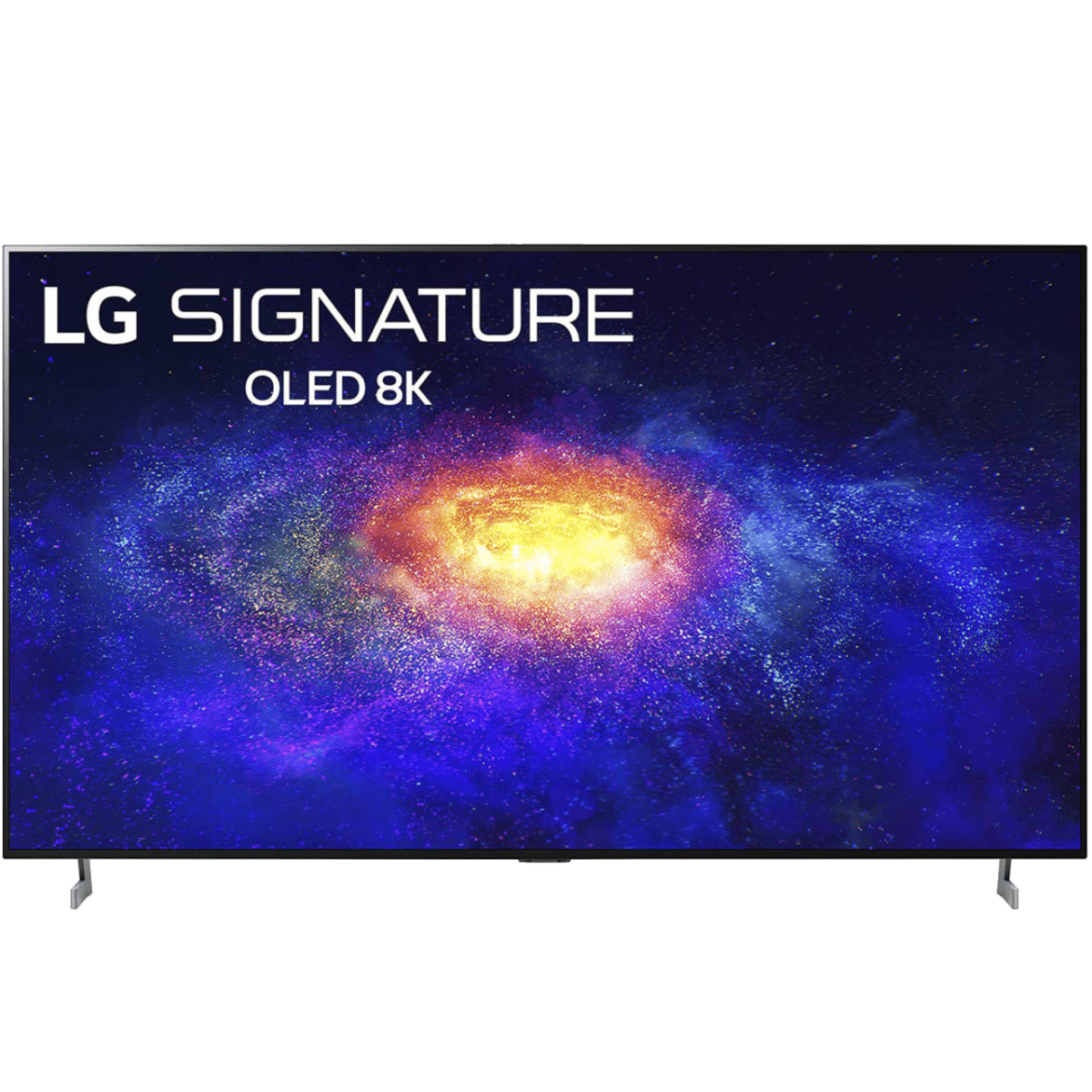

As always with LG, gaming is onion, with not only a fully supported HDMI 2.1 (no VRR worries on the horizon) and official support for GSync and Freesync.
There remains a “slight” concern: its price. At 19,999 euros list price, it is by far the most expensive of this selection. And even being rabid technophiles it is difficult to justify putting so much money in a television. If you are a soccer player or a Qatari prince, indulge yourself!
If you are looking for the best TVs on the market, all categories combined, it’s here. If it is above all a diagonal that you are looking for, you will find our guides below by screen size:
Finally, if you are interested in a particular screen technology, here are our guides by type of panel:
Choosing the right 8K TV
What 8K content is there?
If the televisions themselves are relatively mature technically, it is on the side of the contents that the shoe pinches. There is indeed very little native 8K content. YouTube does offer a few demo videos in this resolution, but that’s about it.
As for TV channels, some experiments have been done on major sports competitions, but we may have to wait a long time to get native 8K programs, the vast majority of channels being satisfied with Full HD.
Finally, there is still the question of films and other series, and there is no content available here too. An 8K stream in streaming will require a substantial bandwidth (of the order of 50 MB / s) and no 8K optical disc has been mentioned for the moment.
Which HDMI standard do I need for 8K?
Who says higher definition also says bandwidth needs which are exploding. And conventional HDMI 2.0 simply does not have enough room for an 8K stream. For that, you will need HDMI 2.1 devices. If all televisions are compatible, you will need a latest generation console or a PC with a latest generation graphics card to output an 8K image in HDMI.